
When Is a Tongue-Tie Release Recommended?
Blog:When Is a Tongue-Tie Release Recommended?
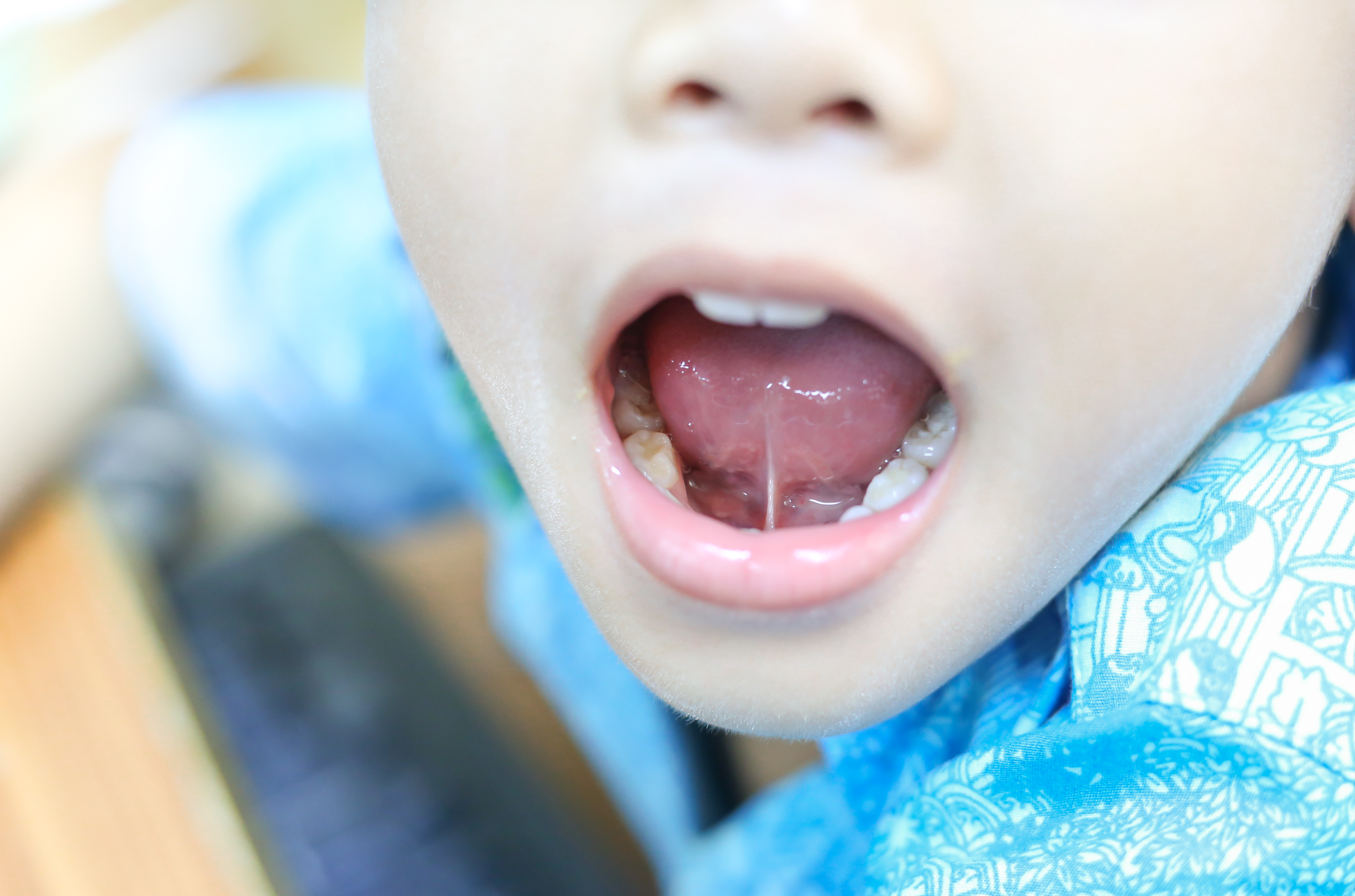
Tongue-tie, also called ankyloglossia, happens when the tissue under the tongue limits normal tongue movement. For some babies and children, this can affect feeding, speech development, oral function, and overall comfort. At Hapy Bear Surgery Center in Tulare, tongue-tie release may be recommended when the restriction is causing functional concerns that do not improve with conservative support.
What Is a Tongue-Tie?
A tongue-tie occurs when the lingual frenum, the small band of tissue under the tongue, is too tight, thick, or short. This can make it harder for the tongue to move freely. A similar issue can also happen with the upper lip, known as a lip-tie, when the tissue between the upper lip and gums limits movement.
Not every tongue-tie needs treatment. A release is typically considered when the restricted tissue is interfering with feeding, comfort, oral development, or other daily functions.
When Feeding Becomes Difficult
One of the most common reasons a tongue-tie release is recommended is difficulty with breastfeeding or bottle feeding. Infants need good tongue movement to latch, create suction, and transfer milk effectively. When the tongue is restricted, feeding can become tiring, frustrating, or uncomfortable for both the baby and parent.
Signs that may point to a feeding-related tongue-tie include:
- Difficulty latching or staying latched
- Clicking sounds during feeding
- Poor milk transfer or slow weight gain
- Fussiness during or after feeding
- Maternal nipple pain while breastfeeding
- Frequent feeding sessions that still seem unsatisfying
Families in Tulare may be referred for a tongue-tie evaluation when these symptoms continue despite lactation support or feeding guidance.
Speech and Oral Development Concerns
As children grow, tongue mobility plays a role in speech, swallowing, and oral development. A tongue-tie may make it harder for a child to make certain sounds or move the tongue in ways needed for clear speech. While speech concerns do not always mean a release is needed, an evaluation can help determine whether restricted tongue movement is contributing to the issue.
In some cases, a tongue-tie release may be part of a larger care plan that includes support from a pediatrician, speech therapist, lactation consultant, or other provider.
What Happens During a Tongue-Tie Release?
A tongue-tie release, also called a frenectomy, involves releasing the tight tissue so the tongue can move more freely. At Hapy Bear Surgery Center, infant tongue-tie procedures are often completed without general anesthesia and typically take only a few minutes. Babies may cry or fuss during and after the procedure, but many are able to breastfeed soon afterward for comfort. Post-procedure care is also important. Parents are given instructions to help the area heal properly and reduce the chance of the tissue reattaching.
Schedule a Tongue-Tie Evaluation in Tulare, CA
Because every child is different, the decision to recommend a tongue-tie release should be based on symptoms, oral function, and professional evaluation. Some children have visible tissue restriction but no major issues, while others have significant feeding or functional concerns that benefit from treatment. A careful evaluation helps determine whether a tongue-tie release is appropriate or whether other supportive care should be considered first.
If your baby or child is having feeding difficulties, oral restrictions, or concerns related to tongue movement, Hapy Bear Surgery Center can help evaluate whether a tongue-tie release may be recommended. Visit our office in Tulare, California, or call (559) 732-4279 to book an appointment today.

All Dental Services
We provide dental care to patients from all over California. Contact us with any questions about our services.

Keep In Touch
For non-urgent questions or to learn more about our services, contact us today!
© 2026 Hapy Bear Surgery Center. All rights Reserved - Accessibility Statement - Privacy Policy - Sitemap
Managed and Designed by 